
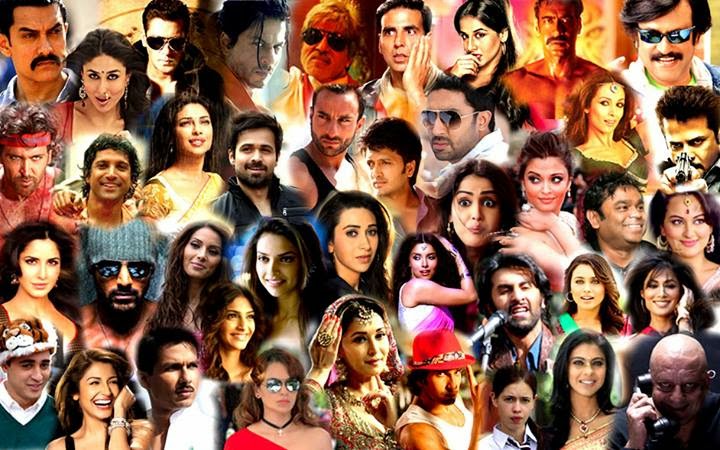
This is the second post in a two part series. You can read the earlier post here. In this part, we will pick up from the end of the romantic and musical era of the ’60s and move along with the rise of action films.
1973 – 1988: The Angry Young Man Era
During the early part of the decade, Rajesh Khanna‘s name meant guaranteed success at the box office. Mr. Khanna followed the overnight success of Aradhana (1969) with a string of hits like Safar, Aan Milo Sajana & Kati Patang (all 1970), Andaz (1971) and Amar Prem (1972). All of these movies had great songs as well, solidifying his image as a romantic hero. His most memorable role during this time was in Anand (1971), a movie where he played a terminally ill man wishing to live life to the fullest. Amitabh Bachchan, a relative newcomer at the time, played the supporting role of Rajesh Khanna’s good friend and doctor in the movie. Of course, it was Mr. Khanna who took home all the adulation from the fans.
But by the mid 1970s, the novelty of color and feel-good musicals was wearing off. Moreover for many Indians, the dreams of progress and upward mobility clashed with the harsh reality of growing corruption and injustice in big cities. There was a lot of pent up frustration especially among the middle class1. It felt as if some invisible shackles imposed by the corrupt and byzantine political system were holding back the promised future and drastic measures had to be taken to break free of them2. Along comes Prakash Mehra‘s Zanzeer (1973), [literally: shackles] in which a young man Vijay (played by Amitabh Bachchan) takes revenge of his parent’s death and fights the corrupt forces in town by killing the antagonist. The movie’s tremendous success indicated a shift in the audience’s preference from romance to action. In an ironic twist, just two years after the success of Anand, Rajesh Khanna and Amitabh Bachchan were back together as friends in Namak Haram (1973) where true to his image, Mr. Khanna played a good-hearted poor person while Mr. Bachchan played the ruthless and rich factory owner. This time however, it was the latter who was cheered loudly by the crowds during their scenes together.
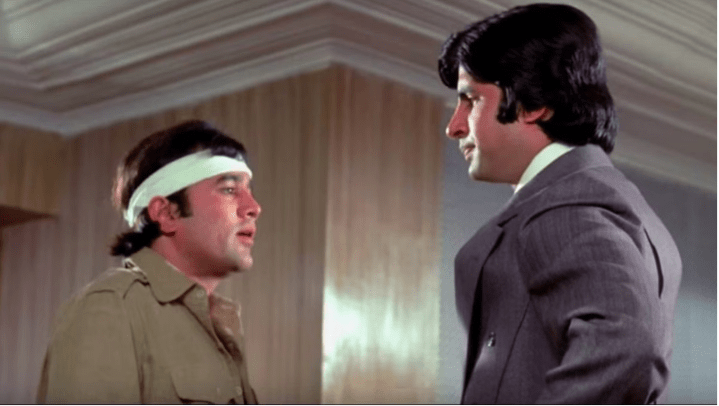
Amitabh Bachchan went on to star in several action films over the next decade, none more iconic than Ramesh Sippi‘s Sholay and Yash Chopra’s Deewar (both 1975). Sholay’s talented screenplay writing duo of Salim–Javed (who also co-wrote Zanzeer) had a long partnership with Amitabh Bachchan. Sholay was also a multi-starrer featuring several A-listers like Dharmendra, Sanjeev Kumar, Hema Malini, Jaya Bhaduri (who went on to marry Mr. Bachchan) and an iconic villain Gabbar Singh (played by the inimitable Amjad Khan). With its ambitious scope, star studded cast, impeccable screenplay and a villain that instilled fear in the audience, Sholay still stands as one of Indian cinema’s towering achievements. It remains a cult classic even today.
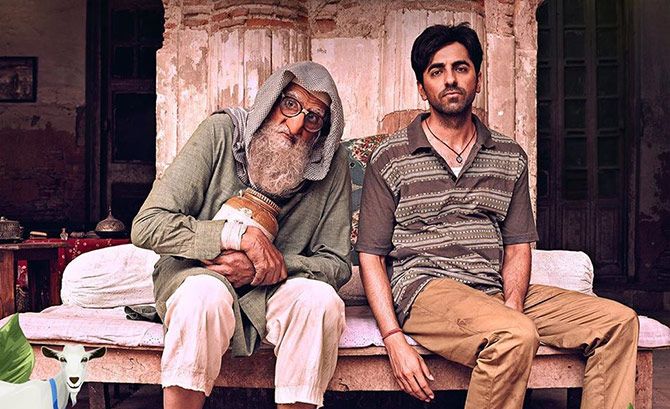
Prior to Mr. Bachchan, the leading actors of Bollywood were generally not accepted by the audience in diverse roles, so they tended to stick to a stereotype or a carefully curated image. Many, like Raj Kapoor, Dev Anand, Raj Kumar and Rajesh Khanna even had their signature style of delivering their dialogues. But unlike his predecessors, Mr. Bachchan was accepted by the audience in versatile roles. Besides his well known angry young man image, he played a traveler in a road trip movie Bombay To Goa (1972), a bumbling professor in the light comedy Chupke Chuck (1973) and a poet in Kabhi Kabhi (1976). Similar to Robert De Niro (in The Godfather II, Goodfellas, Casino and Heat), Mr. Bachchan has excelled in some iconic negative roles in Deewaar (1975), Don (1978) and Sarkar (2005). Along with his great acting and impeccable dialogue delivery he is also well known for his baritone voice and has often appeared as a narrator in several films like Lagaan (2001) and Parineeta (2005). Although he has generally played the roles of a patriarch in his recent movies, his unmissable talent is on display in some recent gems such as Black (2005), Piku (2015) and Gulabo Sitabo (2020).
Although this era of action films was dominated by Mr. Bachchan, he was far from being the only one. Several other actors like Vinod Khanna, Shatrughan Sinha, Anil Kapoor and Sanjay Dutt all played their part in popularizing this action-hero movement in Bollywood. Mindless action was normalized and the creativity of the scriptwriters was limited to finding out novel ways of exposing the protagonist’s family (often consisting of a blind mother and a helpless sister) to social injustice. The message of these films was loud and clear – violence was the solution to every problem.
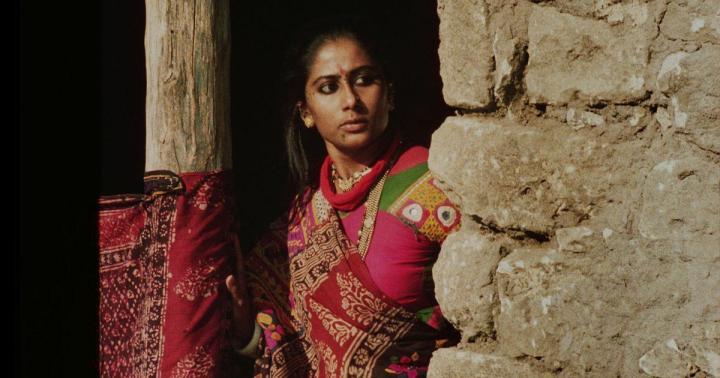
But all was not lost amidst this chaos. India’s equivalent of new-wave parallel cinema rose to prominence in the late 70’s and early ’80s. Just like their French counterparts, these so-called art-house films were typically made on a lower budget. However, the topics generally focussed on the angst of ordinary citizens or a marginalized community. In a country where until very recently, cinema was dominated by male-oriented roles, Shabana Azmi and Smita Patil, two trailblazing actresses, set a very high bar through their nuanced performances in varied roles in this genre. Most actresses in India dream of (or so we hope) landing one memorable role but Ms. Azmi [Shatranj Ke Khiladi (1977), Masoom (1983)] and Ms. Patil [Bhavni Bhavai (1981), Mirch Masala (1986)] have excelled in several, often appearing together [Albert Pinto Ko Gussa Kyun Aata Hai (1980), Mandi(1983)]. They were ably accompanied by screen legends such as Naseeruddin Shah, Om Puri and Anupam Kher [Saaransh (1984)]. I believe this movement produced some of the finest actors and delivered some of the greatest movies of India. This embarrassment of riches of actors was matched by equally talented and acclaimed directors like Satyajit Ray [Shatranj Ke Khiladi (1977)], Mahesh Bhatt [Arth (1982)], Shekhar Kapur [Masoom (1983)] and Shyam Benegal [Mandi (1983)] who produced some of their best work during this era.
Besides this serious, art-house films, yet another sub-genre that focussed on wholesome family entertainment thrived during this era and it was led by none other than director Hrishikesh Mukherjee. It was ironically Mr. Mukherjee who directed Amitabh Bachchan’s early career hits ‘Anand’ and ‘Namak Haram’. He continued to buck the prevalent trend of action-films through his simple and warm movies like Mili (1975), Gol Maal (1979), Khubsoorat (1980) and Kisi Se Na Kehna (1983) . Besides Mr. Mukherjee, several prominent directors (Sai Paranjape, Basu Chatterjee), writers (Gulzar, D. N. Mukherjee) and actors (Deepti Naval, Farooq Sheikh, Sanjeev Kumar and Utpal Dutt) are synonymous with this genre and movies like Chashme Buddoor (1981), Angoor (1982) and Jaane Bhi Do Yaaron (1983) still bring a smile on the viewer’s face.
1988 – 2005: The Khan Era And The Return Of The Musicals
In the late ’80s, Indian economy was undergoing a massive change via liberalization and was ready to open its doors to the world. The socialist hold over the country was gradually diminishing, getting replaced by a capitalist mindset. For ordinary citizens, It meant that being rich was no longer a ‘crime’ and it was ok to splurge one’s money on wants rather than just needs. Their dreams were starting to get bigger and opportunity could be had not just in large Indian cities but places outside the country as well – like Dubai, London and even America. Winds of change were sweeping over the country and Bollywood was not immune to it. Within a matter of few years, Aamir Khan‘s Qayamat Se Qayamat Tak (1988), Salman Khan‘s Maine Pyar Kiya (1989) and Shah Rukh Khan‘s Deewana (1992) hit the theaters and the Khan-era had began in earnest. This new triumvirate would go on to dominate Bollywood for a good part of next two decades and they were instrumental in making Bollywood a truly global phenomenon. it’s interesting to note that even though the three superstars share the same last name of Khan, their paths to super-stardom could not be more different.
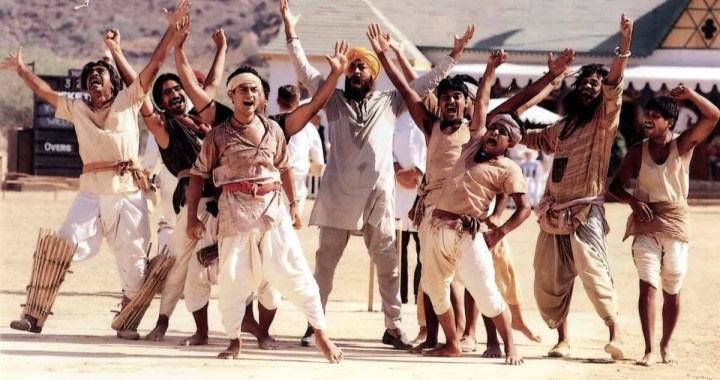
Aamir Khan was the first one to arrive on the scene. Although lauded for his good acting and comic sense, Mr. Khan was limited to chocolate boy roles in the early part of his career due to his clean-shaven, college grad looks. It was only after Deepa Mehta‘s Earth (1998) and John Matthew Matthan‘s Sarfarosh (1999), that his true acting potential was realized. Known for his method acting, he surprised everyone in the role of an Indian villager in Lagaan: Once Upon A Time In India (2001) – a blockbuster project that was kept under wraps during its shoot in the the desert of Kutch. It was also produced by him and was India’s third ever entry into Oscars. He is known as the Tom Hanks of India and has always been eclectic in his roles. Post Lagaan, most of his movies have been unconventional and focussed on social issues [Rang De Basanti (2005), Taare Zameen Par(2007), Dangal (2016)], nonetheless they have gone on to become huge blockbuster hits.
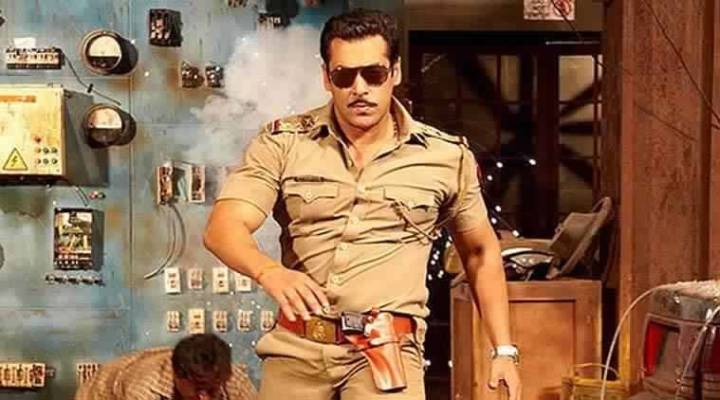
Salman Khan on the other hand had a bit of a rough start to his career. Between Maine Pyar Kiya (1989) and Hum Aapke Hai Koun..! (1994), he had a string of poor performing films at the box office where he was the solo star. But the tremendous success of these two movies bookending his bad patch launched him into the upper echelons of the film industry. Sooraj Barjatya, the director, can be single-handedly credited for making the big fat Indian wedding cool again with his family fare Hum Aapke Hain Koun..! It paved the path for a generation of films to follow, which focussed on Indian values and traditions and explicitly catered to the growing Indian diaspora overseas. Salman Khan too became a bona-fide star again. But instead of choosing his films wisely like Aamir Khan, he instead focussed on building his six-pack body. Irrespective of the role, a shot of a shirtless Salman Khan flexing his muscles became a fixture in his movies and the innocent, goofy Salman of Hum Aapke Hai Koun..! transformed into the stylish-without-substance Salman of Dabangg (2010) and Ek Tha Tiger (2012) who catered more to the masses.
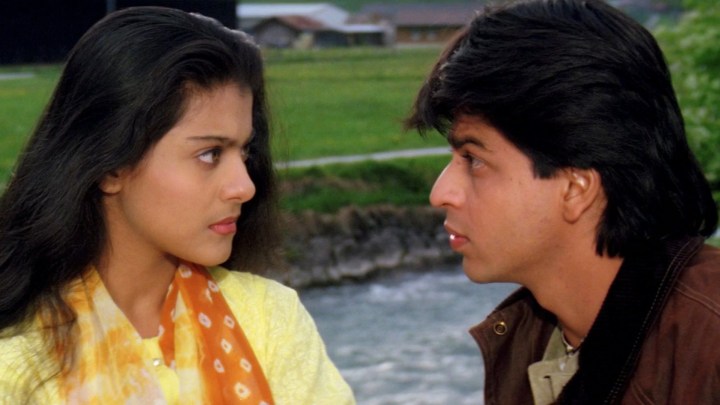
And then there’s Shah Rukh Khan…the only Khan to come from a non-Bollywood family. From humble beginnings on TV [Fauji (1988), Circus (1989)] to being the top-billing in one of Bollywood’s longest-running and highest-grossing movie ever in a span of just seven years, is stuff that dreams are made of. Things were not easy in the beginning and he took a calculated risk of playing an anti-hero in Baazigar (1993), Darr (1993) and Anjaam (1994). But as luck would have it, he would be the biggest beneficiary of the NRI-focussed film movement of the late ’90s and early ’00s. His lovable and romantic ‘Raj’ or ‘Rahul’ – a name that he used in several of his hits including Dilwale Dulhania Le Jayenge (1995), which started it all – was the most romantic character seen on the silver screen since Rajesh Khanna’s in the ’70s. His films garnered tremendous popularity overseas and made him a global icon. But I feel that he got typecasted a lot and we were deprived of his true acting range. So it’s always refreshing to see him in an occasional, non-romantic role such as Swades (2004) and Chak De! India (2007).
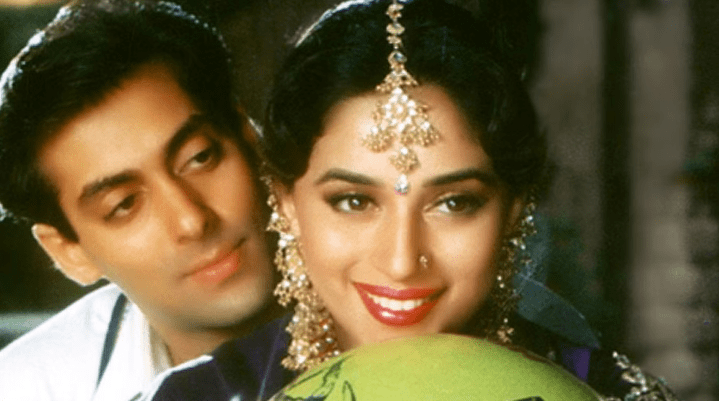
Not to be outdone, we got to see not one but two trios of leading ladies dominate the box office in this era of the Khans. Sridevi, Madhuri Dixit and Juhi Chawla ruled the early part of the decade whereas Kajol, Rani Mukerji and Preity Zinta dominated the latter. After a long time, the days of playing second fiddle to the leading men was coming to an end and female-centric roles were making a comeback. Actresses in notable roles included Sridevi in Gumrah (1993), Meenakshi Sheshadri in Damini (1993) and Madhuri Dixit in Mritydand (1997). We even got our possibly first female villain in Gupt (1993). Speak of changing times! Arguably, the biggest start of the decade was Madhuri Dixit. A decent actor, and a better dancer, she was well known for catchy dance numbers like Ek Do Teen, Choli Ke Peeche, Mere Piya Ghar Aaya and many more. The biggest hit in her illustrious career was Suraj Barjatya’s Hum Aapke Hai Koun..! where she starred opposite Salman Khan.
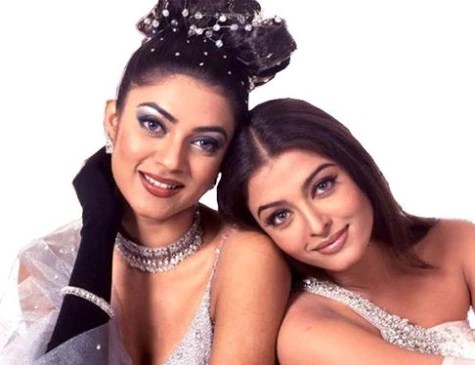
The year 1994 saw Indian beauties Sushmita Sen (Miss Universe) and Aishwarya Rai Bachchan (Miss World) win big at the prestigious global beauty contests. It was a rare achievement for a country who had just one previous winner over 42 years of the competitions’ existence (Reita Faria at Miss World 1966). Without taking away anything from the winners, I think that at least part of this dual success can be attributed to the sponsors’ and beauty product manufacturers’ desire to tap into the potentially huge Indian market that was just opening up. Nonetheless, it ushered in a wave of beauty pageant winners over the next few years. However, barring Aishwarya Rai Bachchan and Priyanka Chopra Jonas, not many were able to replicate the success from their modeling careers in Bollywood.
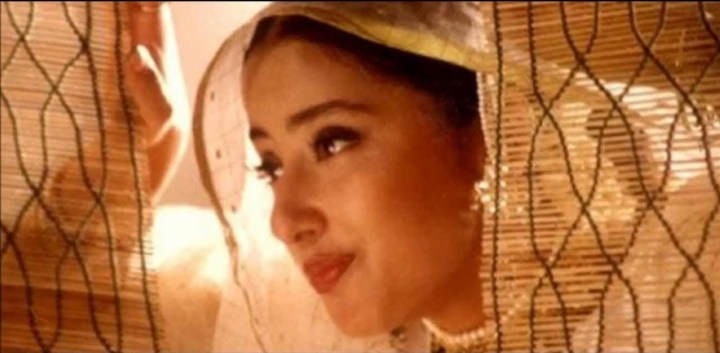
Amongst this crowded field, I think the most underrated actress of the era was Manisha Koirala. Born in a prominent political family of Nepal, she carved a niche for herself with her unconventional looks and choice of roles. Ms. Koirala nabbed some of the most coveted roles and worked with some of the biggest directors of the era – with Vidhu Vinod Chopra in 1942: A Love Story (1994), Mani Ratnam in Bombay (1995) and Mansoor Khan in Akele Hum Anele Tum (1995) to name a few. But her best role according to me was as a CODA (Child of Deaf Adults) in Sanjay Leela Bhansali‘s Khamoshi The Musical (1996). The character’s struggle to seek her deaf and mute parents’ approval while balancing her ambitions is a testament to Miss Koirala’s acting prowess.
During the ’90s, the mainstream Bollywood box office performance remained as strong as ever. However, cracks were beginning to show, just that they weren’t noticeable yet. The center of the Bollywood film industry had always been in Mumbai (Bombay), but a couple of fringe movements were beginning to challenge that notion.
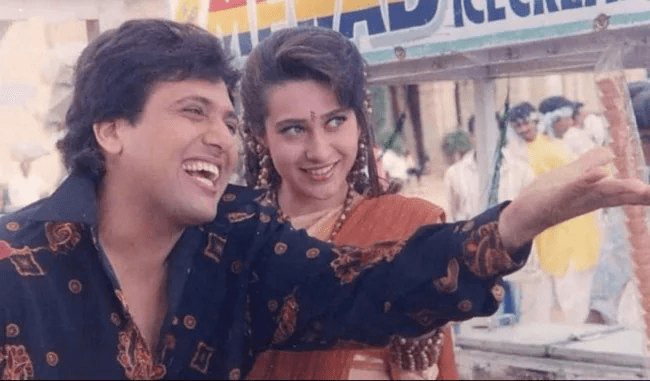
The first came in the form of David Dhawan – Govinda – Karisma Kapoor. This No. 1 director-actor pairing (pun intended with a reference to several of their movies having No. 1 in their title) collaborated on several projects like Raja Babu (1994), Coolie No. 1 (1995), Saajan Chale Sasural (1996) and Hero No. 1 (1997) during the decade. These unassuming movies based in small town India had simple plots and catchy numbers. The slightly raunchy comedy and the double meaning songs featured in their films had a huge appeal in the cow belt of India. They soon developed a cult following in the smaller markets outside of big cities like Mumbai and Delhi. Having a modest budget also helped Mr. Dhawan in churning out these comedies with a high regularity (3 to 4 movies a year). The unexpected success of Mr. Dhawan changed the economics within the industry and for the first time in recent memory, producers began taking notice of smaller markets like Lucknow and Patna in Northern India.
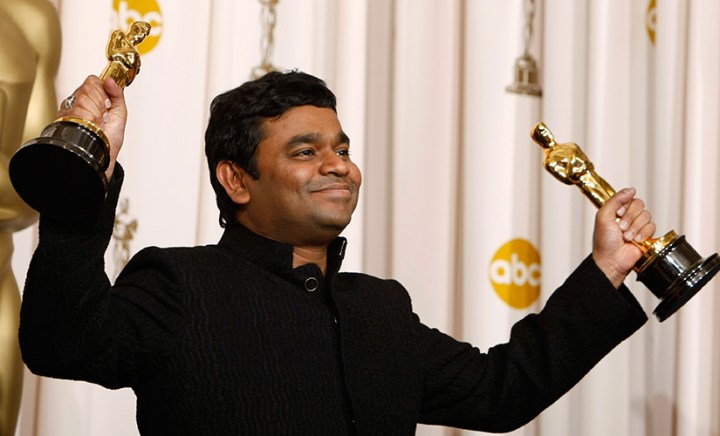
The second challenge came from the South. Until now, Southern movies were looked down upon because of their loud acting and not-so-nuanced handling of good topics. But the arrival of music maestro A. R. Rahman on the scene with the Tamil film Roja (1992) upended these established notions overnight. With his unique style of modern music featuring catchy tunes and foot-tapping rhythm, Mr. Rahman was nothing like the industry had ever witnessed. As they say, music transcends languages and cultures and A. R. Rahman’s songs were simply destined to reach the wider audience beyond his home state of Tamil Nadu. One of my very first Rahman memory was listening to ‘Urvasi Urvasi‘ and ‘Muqabla‘ in Tamil on an overnight bus journey. The words didn’t mean a thing for any of the non-Tamil tourists like me on the bus; the foot-tapping said it all. Thankfully, shortly thereafter a wave of dozens of Tamil movies got dubbed into Hindi and Rahman’s music was finally made hummable to the rest of India. Mr. Rahman himself started composing music for Hindi movies after Rangeela (1995). It was a separate matter that many of his songs had lyrics that completely lacked any meaning but we chose to ignore this fact altogether :). Whether translated (‘Dil Hai Chhota Sa‘, ‘Tu Hi Re‘) or not (‘Alaipayuthe Kanna‘, ‘Konjum Mainakkale‘), A. R. Rahman’s compositions will continue to mesmerize generations of music lovers – past, present and well into the future.
As we head into the new millennium and into the current era of Bollywood, this 90s era would be remembered for a few notable trends. Movies got technically better, good songs and musicals were back in vogue, truly dark villainous characters were on their way out and Bollywood was expanding its horizons and making a run at being a true representation of the country’s diverse population.
2005 – 2023: Cultural And Social Renaissance
The first decade of the new millennium ushered in an era of always-on and globally connected world. With the speedy maturity of the internet and cellphones being ubiquitous across the country, on-demand entertainment was available at one’s fingertips. Decades of prevalent cultural and social norms were being broken down seemingly overnight and were being replaced by new etiquettes founded on liberal 21st century values like individualism and mutual respect. It was a seismic shift, especially for a society that takes pride in its ancient culture and still reveres age old traditions.
Because of this large-scale and real-time information exchange, change began to happen at a breakneck speed. For decades, Bollywood had marginalized homosexuals, people with certain disabilities and those from North-East and South India and stereotyped them in roles that mocked them for possessing these very character traits. But the Indian society was more informed now and people had started questioning the status quo. This progress that happens at grass roots level cannot be taught in schools and takes time through the judicial system to be implemented widely. In the meantime, Bollywood once again became the de facto vehicle of change that promoted new ideas, increased tolerance by legitimizing them and as a result brought about widespread acceptance. In a society where actors are heroes, a three hour lesson on dyslexia by Aamir Khan in the form of Taare Zameen Par (2007) goes a long way further than any educational campaign can ever aspire in three years. And it was just the beginning. , Atheism in OMG: Oh My God! (2012), mental health in Dear Zindagi (2016), domestic abuse in Secret Superstar (2017) and gender identity in Chandigarh Kare Aashiqui (2021) – Bollywood has validated and addressed many such nuanced issues often faced by the underrepresented and marginalized factions of society by giving them a voice.
In the previous eras, actresses were often relegated to supporting roles. Exceptions like Pakeezah (1972) or Umrao Jaan (1981) were few and far in-between. But finally, women have broken through the glass ceiling. The consistent success of movies featuring women characters in the lead role – from pure entertainers like Kahaani (2012) to violence against women [Pink (2016)] and male entitlement [Thappad (2020)] – is a testament to the changing times. Add to that the two Akshay Kumar films that dealt with personal hygiene [Toilet: Ek Prem Katha (2017), Pad Man (2018)] and I would argue that women have never been respected more in Indian cinema than now.
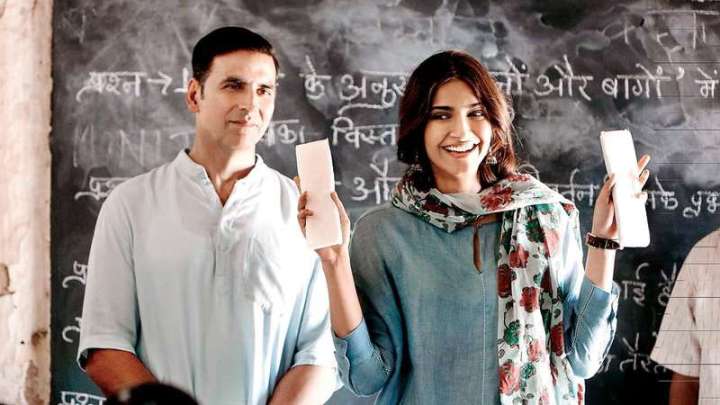
It’s also heartwarming to see a trend of unconventional movies hitting the theaters in recent years. Movies like Piku, Masaan (both 2015) and Gulabo Sitabo (2020) indicate a shift in themes from conventional love stories to day-to-day situations and issues of the common citizens. Another good trend is of making biopics that celebrate prominent personalities. The success of movies like Chak De! India (2007), Mary Kom (2014) and Shakuntala Devi (2020) should inspire the future generations of olympians and scientists representing the country.
My Two Cents…
As readers may have figured out by now, Bollywood has always been close to my heart. However there are a few recent trends that I feel do not contribute to the cinematic art form in any meaningful way and Bollywood would be wise to do away with them. Let’s start with the trend of sequels that’s become very common. From Dhoom to Golmaal to Dabangg, the writers keep recycling the same story over and over again. I feel that focussing on sequels is just lazy and shows the lack of creativity on the part of the creators. Even in Hollywood, which is the birthplace of this concept, very rarely have sequels managed to capture the magic of the original movie.
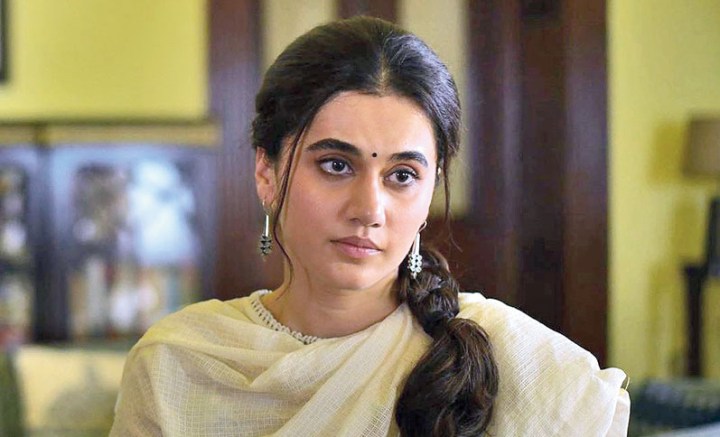
Secondly, there’s nepotism. This is not a new issue, but it seems to have gotten worse in the recent years. Irrespective of what Aditya Chopra says in the Netflix documentary, nepotism is real and has possibly affected the lives of hundreds of budding actors each year3. With the rich talent pool of actors that we have in the country these days (Nawazuddin Siddiqui, Taapsee Pannu, Ayushman Khurana to name just a few), I feel that nepotism should be a thing of the past and meritocracy should be the only way forward.
And finally, there’s the movement emulating South Indian cinema. What started with A. R. Rahman’s musicals in the ’90s has now developed into a monster business that’s threatening to upend the core style of the film industry. Although known for tackling a wider array of topics than mainstream Bollywood cinema, my biggest objection to this style of movie-making is the general lack of nuance. I feel that the larger-than-life presentation and the use of high-speed cameras to capture over-the-top action sequences is a sensory overload for the viewer. Special effects are used for the sake of available technology and usually don’t fit in with the scripts. And the scripts often tell traditional stories about loyalty to the kingdom and undying love for the family. The recent mega-blockbuster hits like Bahubali (Parts 1 and 2), RRR (2022), Kantara (2022) and Ponniyin Selvan (Parts 1 and 2) all fit the bill. Defenders of these movies claim that they do not translate well across cultures or that art is subjective after all and if it sells then it must be good. But as I have outlined in another post, I disagree with this view. I feel that these movies cater to our most primal emotions and as a society, we have evolved to a point where we can appreciate a lot more nuance than what is served up in these films.
On a side note, I hear a lot of criticism these days that Bollywood is not tolerant of different faiths and communities. I feel that it’s valid to a certain extent but not in the way one might think. Let me explain. In addition to the aforementioned typecasting of minorities, I do see a rising patriotic wave, but that’s more to address the sense of longing of the huge Indian diaspora which is settled outside the country. I do not approve when movies like Dilwale Dulhania Le Jayenge (1995) and Pardes (1997) respectively portray British and American culture as something to be ashamed of for the Indian expats who have settled down in those countries. A school full of British students singing the Indian national anthem or a group of random strangers loving pani puri (Indian snack), is nothing but a desperate attempt at seeking validation from Western societies. Forget singing another national anthem, Indians rarely eat food outside of their comfort zone. But our sense of entitlement and possibly low self esteem is such that we expect others to feel the same passion as us about our culture and food. So in this particular way, I feel that we are less tolerant of other cultures.
But one thing that Bollywood should not be blamed for is the unequal treatment of religion. Bollywood has always treated religious minorities with dignity on and off the screen. Granted that some prominent actors like Dilip Kumar were advised to change their original Muslim names (Yusuf Khan) to Hindu names to have a better chance at success, but those were different times during the pre-independence era. Since then, hundreds of legends on and off the screen from Saira Banu (Dilip Kumar’s wife), Naushad and Javed Akhtar, all the way up to the Khans have contributed immensely to Bollywood and in turn have earned the adulation and love of hundreds of millions of fans within and outside the country. As far as one can remember, there has been a kindly character / Good Samaritan representing a minority group on screen. Going by the headlines, one might think that people of India live in communal silos in a very volatile society where riots may ignite at a moment’s notice. But one just has to scratch the surface and look beyond the politics. More than a billion Indians from all faiths and backgrounds manage to overcome their differences – large and small – and go about their daily business in perfect harmony together. Bollywood is nothing but a microcosm of this reality.
Having now risen to the status of the largest movie industry in the world in terms of movies produced annually, Bollywood has come to define our national identity in many ways. Who knew that the seed planted by Dadasaheb Phalke over 100 years ago would grow into this giant sprawling and inclusive ecosystem akin to a banyan tree! We have come a long way from its humble beginnings, but as with all other things, change is the only constant. The movie industry continues to evolve and will have plenty more to offer in the times to come. As Shah Rukh Khan’s character in Om Shanti Om (2007) says ‘Picture abhi baki hai mere dost…’
1 Article from ‘The Hindu’ can be found here.
3 A good deep-dive on this topic is available at https://thred.com/culture/a-deep-dive-into-nepotism-in-bollywood/.

 Lights Camera Action
Leave a reply to Durgesh Singh Cancel reply